Top 10 Must-Visit Cities in Morocco

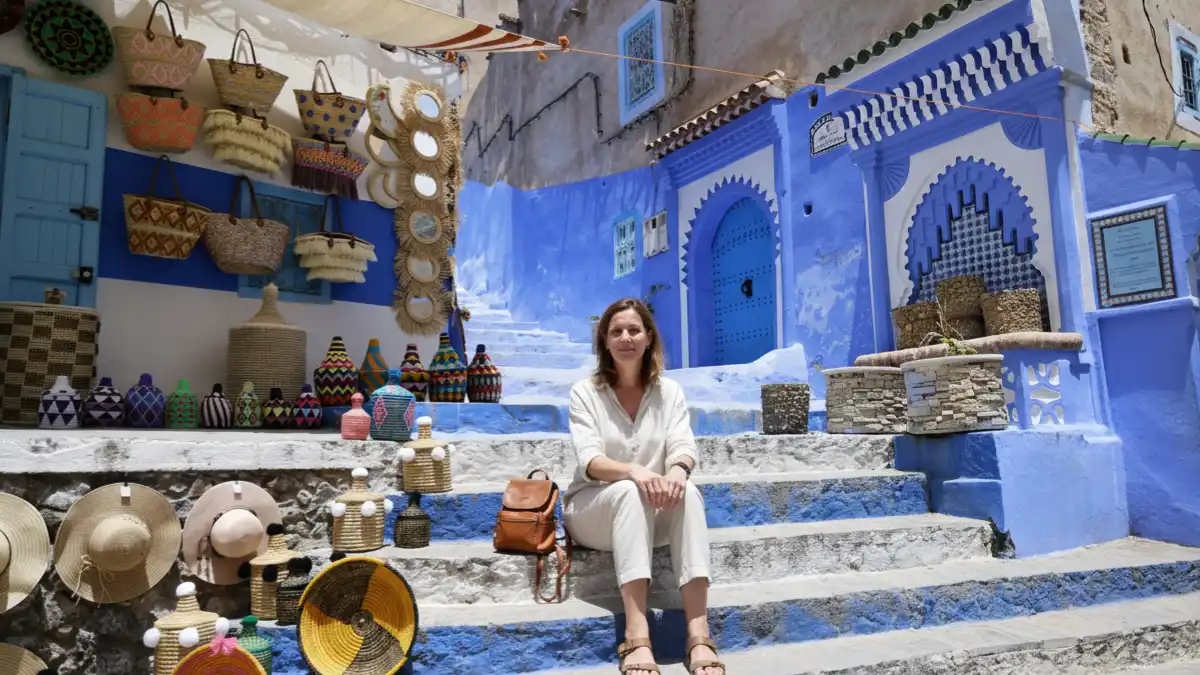
The call to prayer echoed across Fez’s ancient medina just as the morning sun painted the walls honey-gold. I’d been wandering Morocco for three months at that point, and something shifted in that moment—I realized I’d been approaching this country all wrong. Morocco isn’t just about picking a city or two from a guidebook. It’s about understanding how each urban gem fits into a larger tapestry, each one offering a completely different slice of Moroccan life.
After countless mint teas, wrong turns down medina alleys, and conversations with locals who became friends, I’ve discovered that Morocco’s cities are like a perfectly seasoned tagine—each ingredient distinct, yet essential to the whole. Let me take you through the ten cities that captured my heart, wallet, and occasionally my sanity, in ways I never expected.
1. Marrakech
The Red City That Never Sleeps
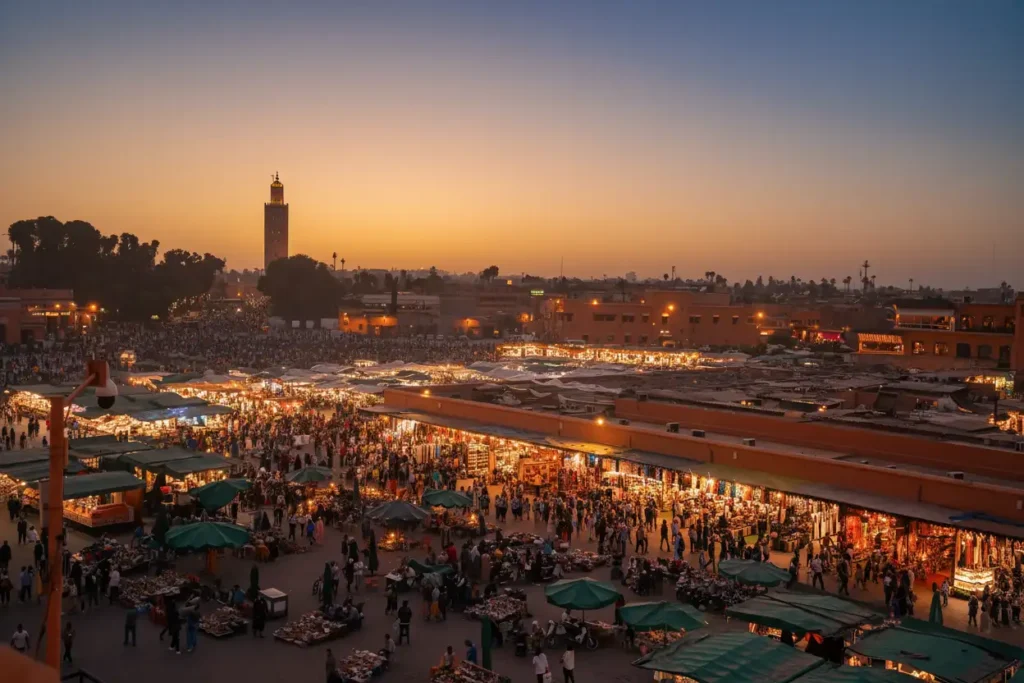
I’ll be honest—Marrakech almost broke me on my first visit. The sensory overload of Jemaa el-Fnaa square at sunset, with its snake charmers, storytellers, and aggressive orange juice vendors, felt like being tossed into a beautiful, chaotic washing machine. But here’s what the quick-stop tourists miss: Marrakech reveals its soul when you slow down.
Stay in a traditional riad in the medina (I learned the hard way that “near the medina” means a 30-minute walk through modern sprawl). My favorite discovery was Dar Darma, tucked away in the Mouassine quarter—their rooftop breakfast alone justifies the splurge. The real Marrakech magic happens in the early morning, when locals outnumber tourists in the souks, and you can actually hear the fountain in the Bahia Palace courtyard.
For the best deals, shop in the artisan quarters beyond the main tourist souks. I paid 300 dirhams for a leather bag near Jemaa el-Fnaa; two weeks later, I found identical quality in the Sidi Ghanem industrial quarter for 100 dirhams. Skip the overpriced restaurants around the square and head to Nomad or La Famille for modern Moroccan cuisine that’ll ruin you for tagines anywhere else.
Best for: First-time Morocco visitors, luxury travelers, photography enthusiasts
Avoid if: You’re crowd-averse or seeking authentic everyday Morocco
2. Fez
Where Time Forgot to Move Forward
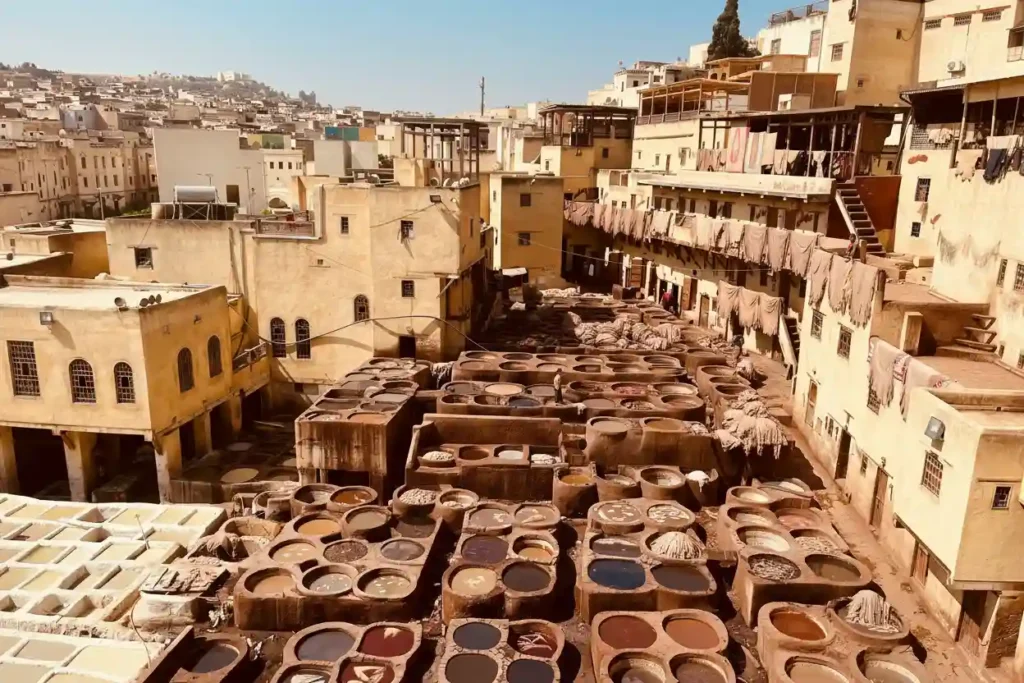
Fez el-Bali humbled me. After confidently navigating Marrakech’s medina, I figured I’d mastered Moroccan city layouts. Three hours lost in Fez’s 9,000 medieval alleyways taught me otherwise. This isn’t just the world’s largest car-free urban area—it’s a living, breathing time capsule where donkeys still deliver Coca-Cola and craftsmen work in workshops unchanged since the Middle Ages.
Here’s my hard-won advice: hire an official guide for your first day (unofficial ones will lead you straight to their cousin’s carpet shop). Once you’ve got your bearings, get lost on purpose. My most treasured Fez memory came from ducking into a tiny doorway to escape the rain and finding myself in a 14th-century madrasa where local students still memorize the Quran by candlelight.
Stay near Bab Bou Jeloud (the Blue Gate) for easy medina access. Riad Fes Maya won me over with their sunset terrace views and the owner’s mother’s secret harira recipe. For leather goods, yes, visit the tanneries, but hold your breath and buy elsewhere—the tannery shops charge tourist prices for the viewing “privilege.”
Best for: History buffs, cultural immersion seekers, traditional crafts enthusiasts
Avoid if: You need modern amenities or have mobility issues
3. Chefchaouen
Morocco’s Beautiful Blue Mystery
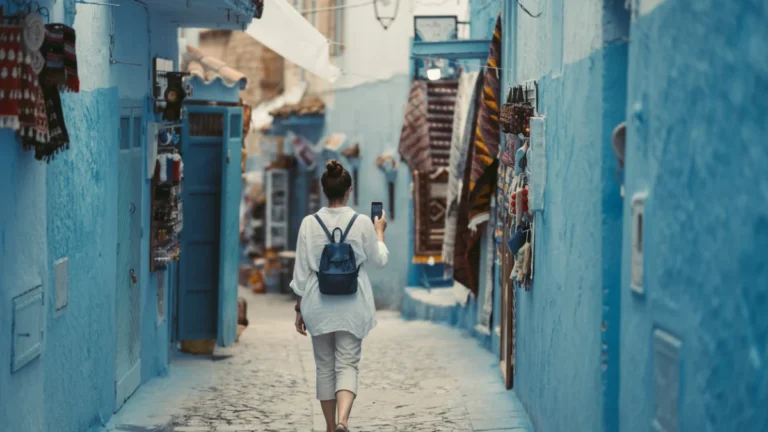
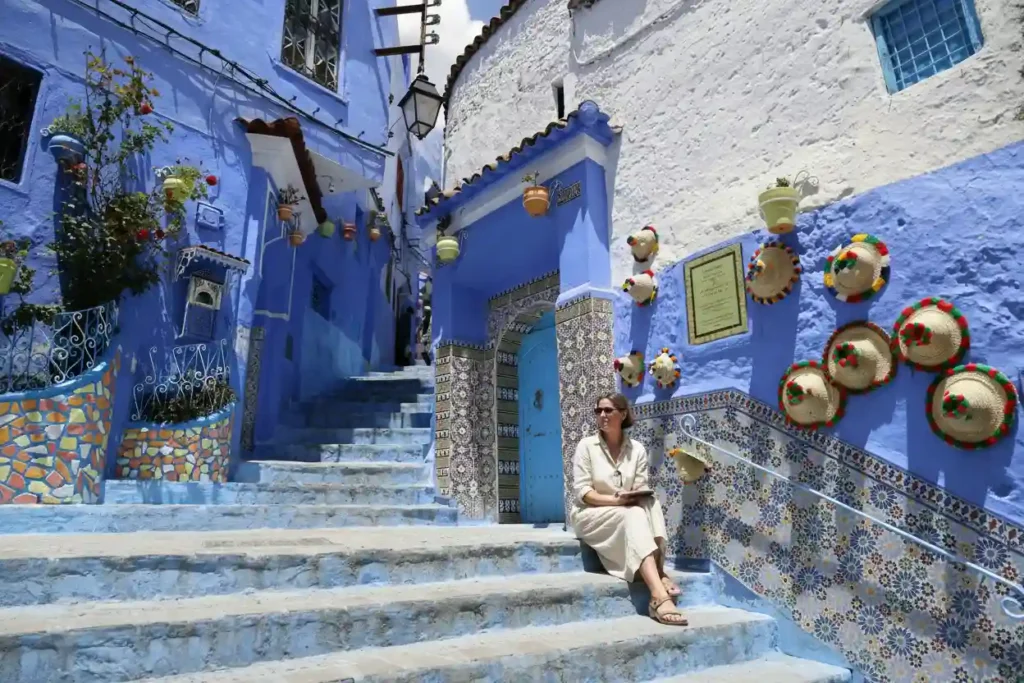
Let me save you some disappointment: Chefchaouen’s famous blue walls photograph better than they live. Don’t get me wrong—this mountain town is gorgeous, but after the twentieth Instagram model asking you to move out of their shot, the magic fades fast. The trick? Visit in January or stay more than the typical one-night stop.
I spent a week in Chefchaouen during Ramadan, and that’s when I met the real city. Local families invited me for iftar (breaking the fast), and I learned that the blue paint isn’t some ancient tradition—it started in the 1930s when Jewish refugees fleeing Hitler painted their quarter blue to symbolize the sky and heaven. Now the whole medina glows like a sapphire.
For accommodations, Casa Sabila sits perfectly between the medina and the Spanish mosque (sunset viewpoint). Their owner, Hassan, organizes hiking trips to the cannabis fields—er, I mean, the beautiful Rif Mountains. Speaking of which, politely decline the “special” additions to your tea unless you’re prepared for an unexpectedly mellow afternoon.
Best for: Photographers, hikers, those seeking a slower pace
Avoid if: You’re visiting July-August (unbearably crowded)
4. Casablanca
More Than Just a Movie Reference
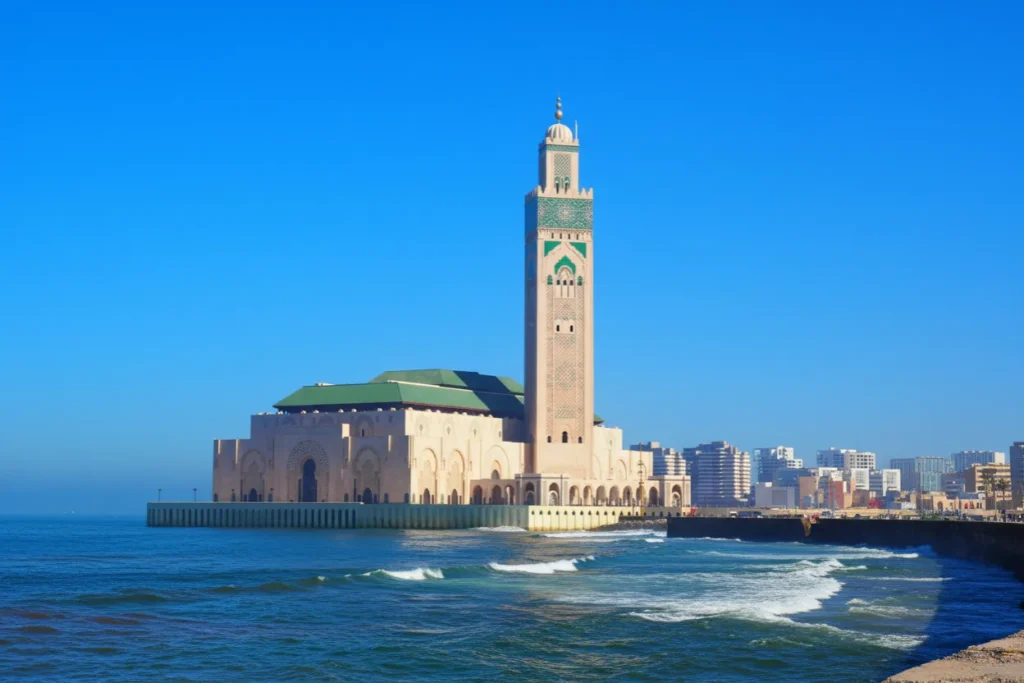
Everyone told me to skip Casablanca. “It’s just a big, modern city,” they said. “Nothing to see but the Hassan II Mosque.” Everyone was wrong. Yes, Morocco’s economic capital lacks Fez’s medieval charm or Marrakech’s exotic appeal, but that’s exactly why I loved it—Casablanca shows you how actual Moroccans live in the 21st century.
The Hassan II Mosque deserves its fame (pro tip: take the 10 AM tour to see sunlight streaming through the retractable roof), but the real Casablanca lives in the Habous Quarter. This “new medina” built by the French feels like Morocco-lite until you realize it’s where locals actually shop. I bought the same quality argan oil here for half the Marrakech price, and nobody followed me around expecting a sale.
Stay in the art deco Gauthier district and spend evenings at La Sqala, a garden restaurant in an 18th-century fortification where Casablanca’s young professionals decompress. Rick’s Café exists, yes, but it’s a tourist trap opened in 2004. For authentic nightlife, follow the locals to Cabestan or Le Petit Rocher—oceanside clubs where Morocco’s European aspirations meet its African soul.
Best for: Architecture lovers, business travelers, those wanting modern Morocco
Avoid if: You’re seeking only traditional experiences
5. Essaouira
Where Morocco Meets the Atlantic
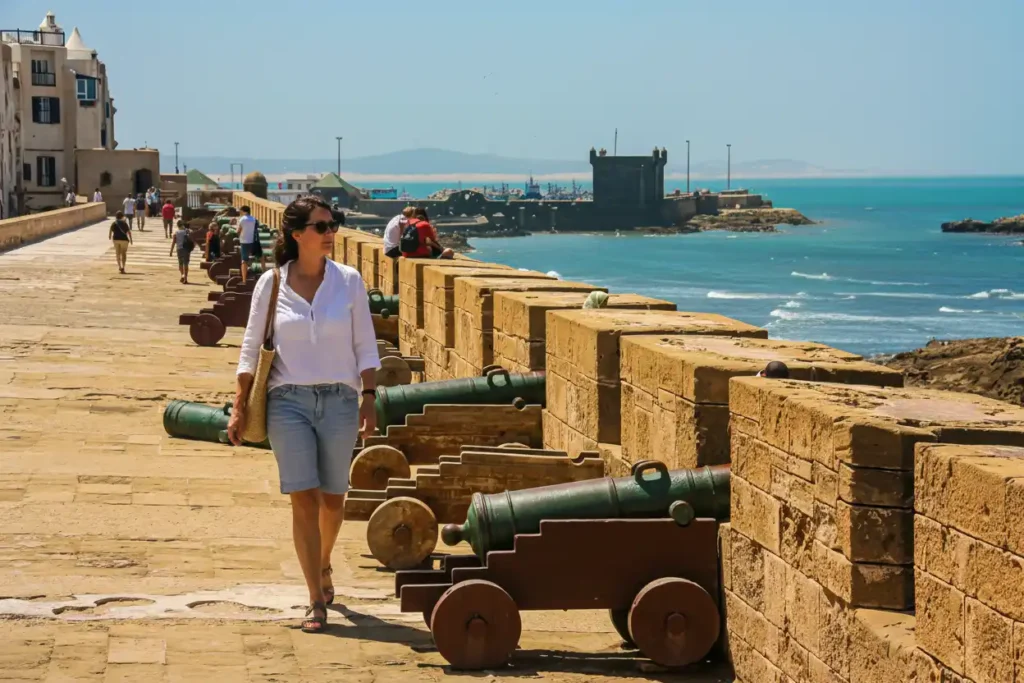
If Morocco’s intensity gets overwhelming, Essaouira is your pressure release valve. This windswept port city moves at its own relaxed rhythm, where fishermen mend nets in the same spots Orson Welles filmed Othello, and Jimi Hendrix’s (probably apocryphal) visit still gets mentioned by every local guide.
The medina here is blessedly flat and grid-like—a UNESCO-protected anomaly you can navigate without GPS or guide. I rented a room from Yamina, a local artist, through Airbnb and spent mornings watching her paint while Atlantic winds rattled the shutters. Her insider tip: the grilled sardines at the port are good, but Chez Sam’s, tucked away near the ramparts, serves the same fish without the aggressive touts.
Essaouira’s real draw is the vibe. Gnaoua musicians jam in the squares, windsurfers ride the notorious Alizée winds, and nobody seems in a particular hurry about anything. Come in June for the Gnaoua World Music Festival, when the entire city becomes an open-air concert venue, or visit in September when the crowds thin but the weather stays perfect.
Best for: Beach lovers, artists, those needing a Morocco breather
Avoid if: You hate wind (it never stops) or want hot beach weather
6. Rabat
The Capital Nobody Talks About
Morocco’s political capital suffers from middle child syndrome—less exotic than Marrakech, less atmospheric than Fez, less cosmopolitan than Casablanca. But after the tourist circus of other cities, Rabat’s normalcy felt revolutionary. This is where Moroccan families picnic in actual parks and government workers grab coffee without someone trying to sell them a carpet.
The Kasbah des Oudaias changed my mind about Rabat. This clifftop fortress town within the city feels like Chefchaouen’s sophisticated sister—blue and white houses cascade down to the Atlantic, but with way fewer selfie sticks. I spent afternoons in the Andalusian Gardens, where local art students sketch and stray cats judge your life choices.
Don’t miss the Mohamed VI Museum of Modern and Contemporary Art—yes, Morocco has incredible contemporary artists, and no, they’re not all painting orientalist clichés. Stay in the Agdal district near the university for a slice of young Moroccan life, complete with trendy cafés and bookshops where political discussions flow as freely as mint tea.
Best for: Families, art lovers, those interested in modern Morocco
Avoid if: You want only traditional medina experiences
7. Meknes
Fez’s Underrated Sibling
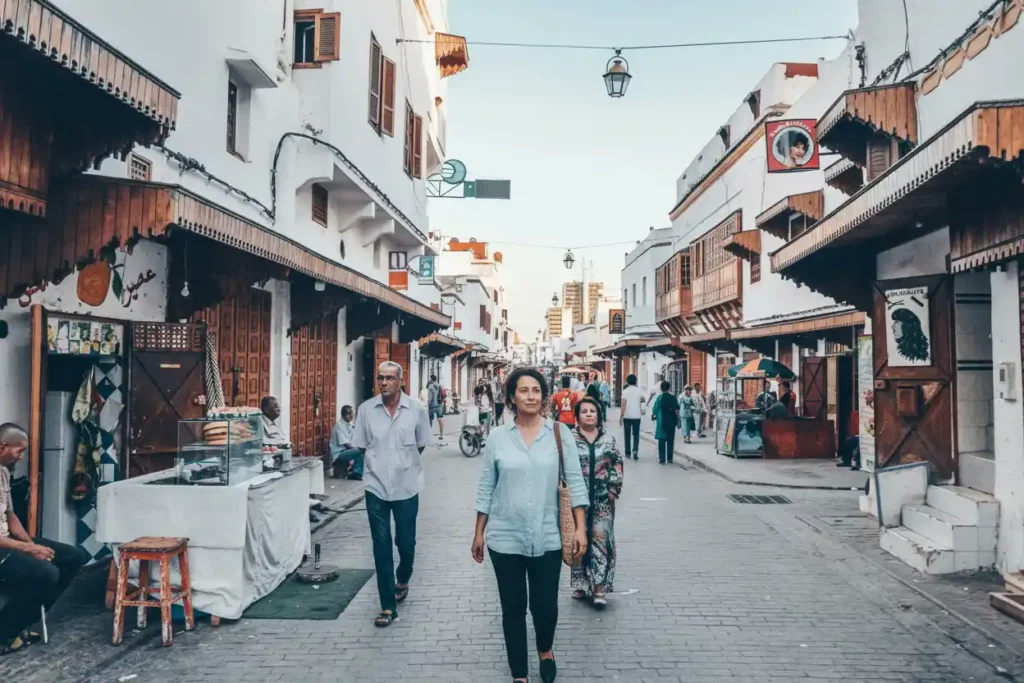
Here’s my confession: I almost skipped Meknes. Sandwiched between Fez and Rabat, it seemed redundant. Thank God for the Belgian backpacker who convinced me otherwise over beers in Fez. Meknes delivers everything Fez promises but with a quarter of the tourists and half the hassle.
Sultan Moulay Ismail’s 17th-century imperial city makes Versailles look understated. The granaries and stables could hold 12,000 horses (I couldn’t even imagine feeding that many cats). But Meknes’s charm lies in its working-class authenticity. I watched a traditional wedding procession snake through Lahdim Square, joined locals for Friday couscous, and bought olives from vendors who seemed genuinely surprised to see a foreign face.
Place el-Hedim tries to be Meknes’s answer to Jemaa el-Fnaa but feels more like your neighborhood square got ambitious. That’s the beauty—everything here is smaller, calmer, more approachable. Stay at Riad Yacout, where Monsieur Benchekroun treats guests like visiting relatives and makes the best bastilla I’ve tasted outside someone’s home.
Best for: Budget travelers, history enthusiasts, authentic experience seekers
Avoid if: You need tourist infrastructure or nightlife
8. Tangier
The Comeback Kid
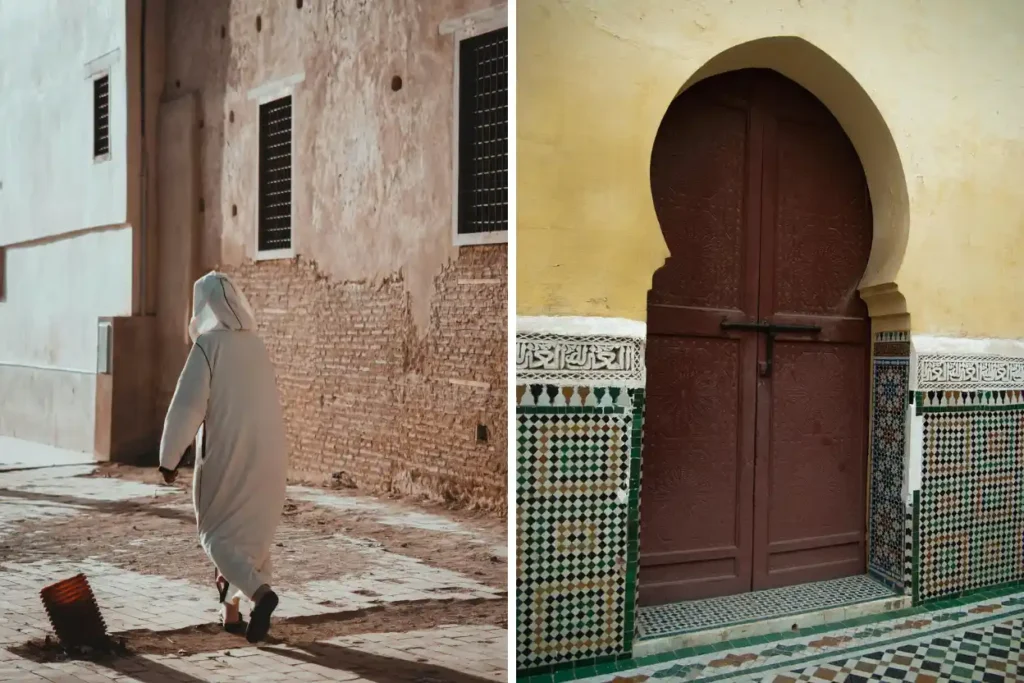
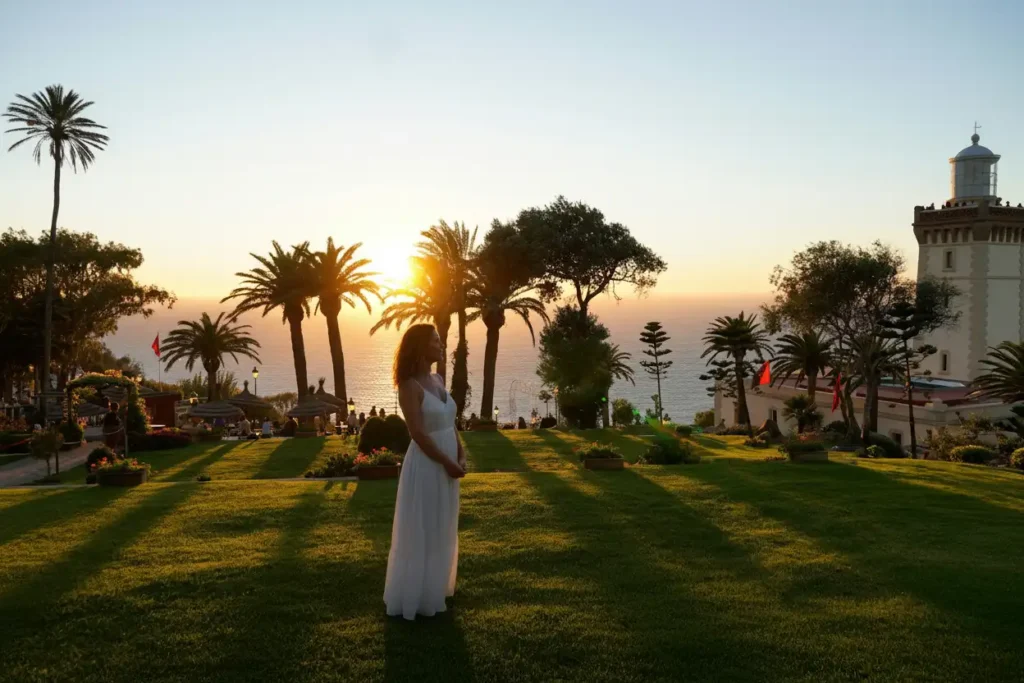
Old guidebooks paint Tangier as a seedy port to escape quickly. They’re about two decades out of date. Morocco’s northern gateway has shed its sketchy reputation and emerged as the country’s most progressive city. The new Tangier might be the most exciting urban story in North Africa.
The renovation of the medina and port area created a city that honors its international past while charging toward the future. I stayed at La Maison Blanche, where you can watch Africa meet Europe across the Strait of Gibraltar from your breakfast table. The medina still has edge—hustlers exist—but now they compete with art galleries, boutique hotels, and cafés where Moroccan hipsters discuss Kerouac over cortados.
Don’t miss the American Legation Museum, the United States’ oldest diplomatic building and a quirky journey through Tangier’s expatriate history. For the best seafood, ignore the Grand Socco restaurants and follow locals down to the Corniche. At Saveur de Poisson, there’s no menu—Abdullah serves whatever the boats brought in that morning.
Best for: History lovers, art enthusiasts, ferry travelers
Avoid if: You prefer traditional Moroccan atmosphere
9. Ouarzazate
Gateway to Everything Epic
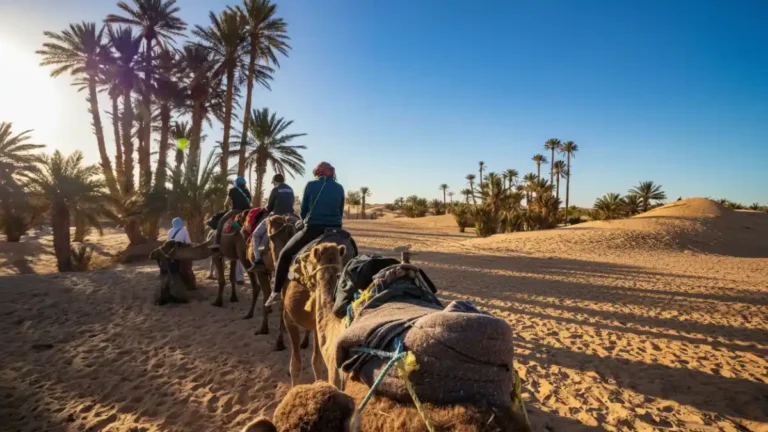
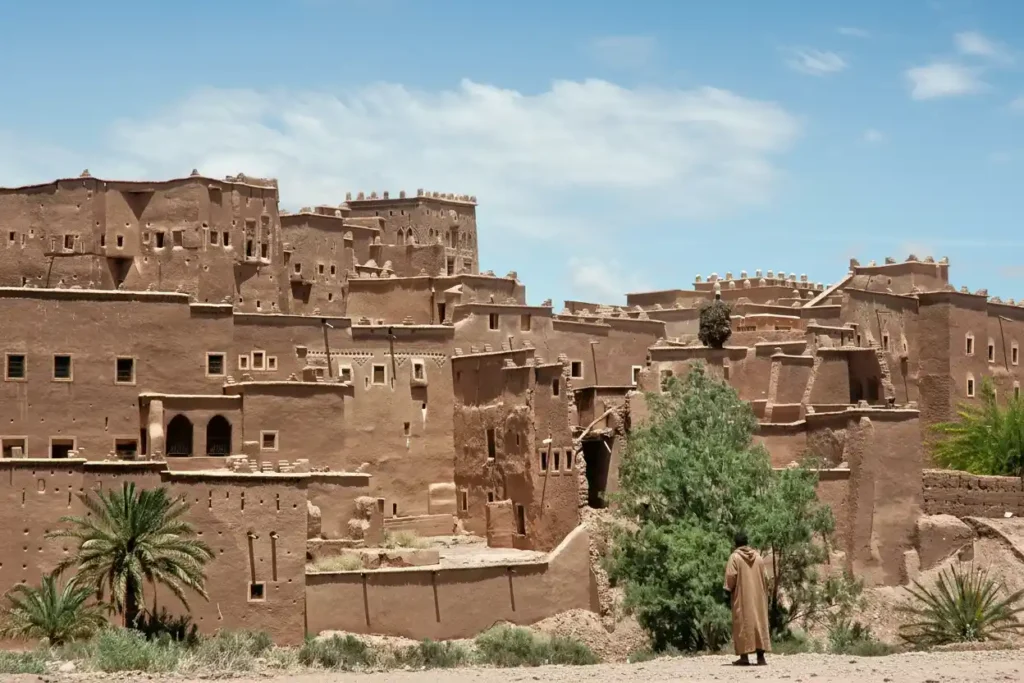
Ouarzazate itself isn’t going to steal your heart—it’s a dusty administrative center that exists mainly to service the film industry and desert tourism. But that’s like saying an airport is just a building with planes. Ouarzazate is your launching pad to Morocco’s most spectacular landscapes, and knowing how to use it makes all the difference.
I based myself here for two weeks, using it as headquarters for day trips that would cost fortunes on organized tours. Rent a car (the agencies near the bus station charge half what hotels do), and suddenly you’re independent: Aït Benhaddou at sunrise before the tour buses, Skoura’s palm groves without a guide’s cousin’s carpet shop, the Todra Gorge when rock climbers have it to themselves.
The film studios are touristy but worth it if you’re a movie buff—standing in the Jerusalem set from “Kingdom of Heaven” while the Atlas Mountains loom behind is surreal. Stay at Dar Chamaa, owned by a French couple who’ve mapped every hidden kasbah in a 100-kilometer radius. Their hand-drawn maps saved me from more GPS disasters than I care to admit.
Best for: Adventure travelers, film enthusiasts, road trippers
Avoid if: You want urban culture or nightlife
10. Agadir
The Beach Escape Nobody Admits Enjoying
I’m supposed to tell you Agadir is a soulless resort town rebuilt after the 1960 earthquake, lacking authentic Moroccan character. Travel snobs love dismissing it. But after weeks of medina mazes and tagine overload, sometimes you just need a beach where nobody’s selling you anything except maybe a cold beer.
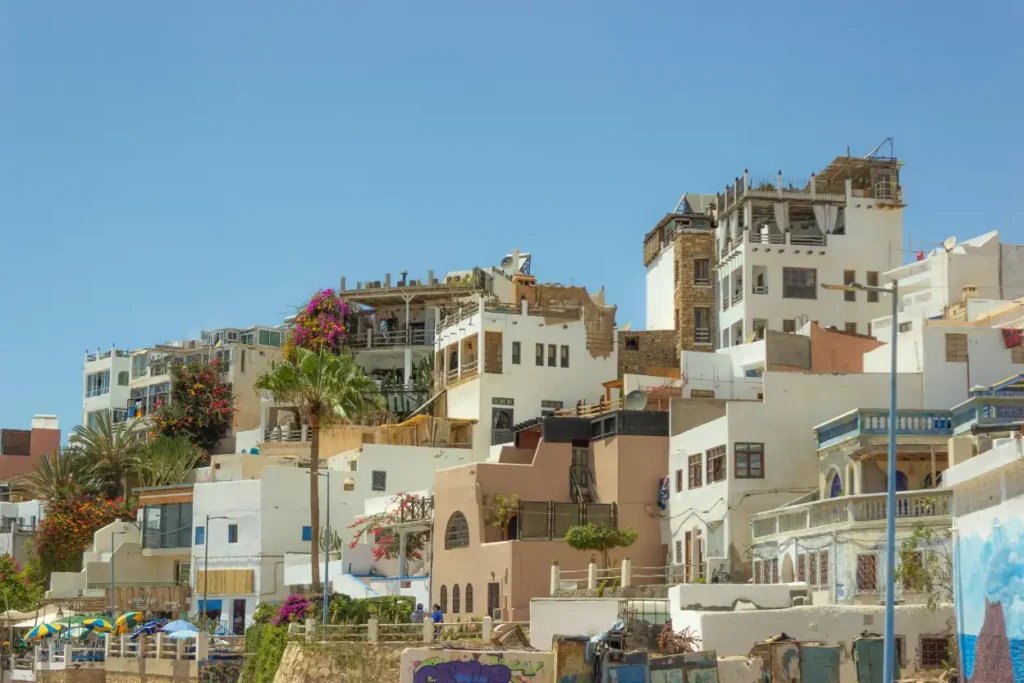
Agadir delivers exactly what it promises: wide beaches, year-round sunshine, and resort comfort with a Moroccan accent. I won’t lie and say it’s culturally enriching, but watching the sunset from Taghazout Beach with local surfers while discussing wave conditions in broken Arabic and French reminded me that modern Morocco has many faces.
If you need to justify your beach break culturally, the rebuilt kasbah offers spectacular views, and the Souk el Had is where actual Agadir residents shop. Paradise Valley makes an excellent day trip when beach lethargy sets in. Stay in Taghazout rather than Agadir proper—this fishing village turned surf town has more character and better vibes, plus you can pretend you’re having an authentic experience while enjoying banana-date smoothies and yoga classes.
Best for: Families, beach lovers, surfers, winter sun seekers
Avoid if: You want traditional Morocco or cultural immersion
Planning Your Moroccan City Adventure
After all these miles, here’s what I know: Morocco can’t be conquered in a greatest-hits tour. Each city demands time to reveal itself, like a good friendship or a complex wine. The magic happens in the moments between your planned activities—the shopkeeper who invites you for tea, the wrong turn that leads to a hidden garden, the local festival you stumble into.
My advice? Pick no more than four cities for a two-week trip. Factor in travel time (Moroccan distances are deceiving, and the trains, while comfortable, aren’t particularly fast). Consider the seasons—coastal cities in summer, desert gateways in spring and fall, everywhere except the deep south in winter.
Most importantly, build in buffer time. Morocco will derail your carefully planned itinerary with its charm offensive of unexpected invitations, fascinating detours, and the general conspiracy of the universe to slow you down to local speed. That’s not a bug in the Moroccan travel experience—it’s the main feature.
The country that called me back for that second month, then the third, wasn’t the Morocco of tourist brochures. It was the Morocco of small kindnesses, terrible jokes translated across three languages, and the gradual realization that efficiency isn’t everything. These ten cities taught me that, each in their own stubborn, beautiful way.
So pack your patience along with your sunscreen. Morocco’s cities are waiting to challenge your assumptions, overflow your senses, and maybe—if you let them—change the way you see the world. Just don’t blame me when you find yourself booking a return flight before you’ve even left. Morocco has that effect on people. Trust me, I’m still trying to leave.
Ready to explore Morocco’s incredible cities? Start planning your journey today and discover which urban gem speaks to your travel soul. And remember—the best Moroccan adventure is the one that throws your guidebook out the window.