Planning a Trip to Morocco: Your Complete First-Timer’s Guide

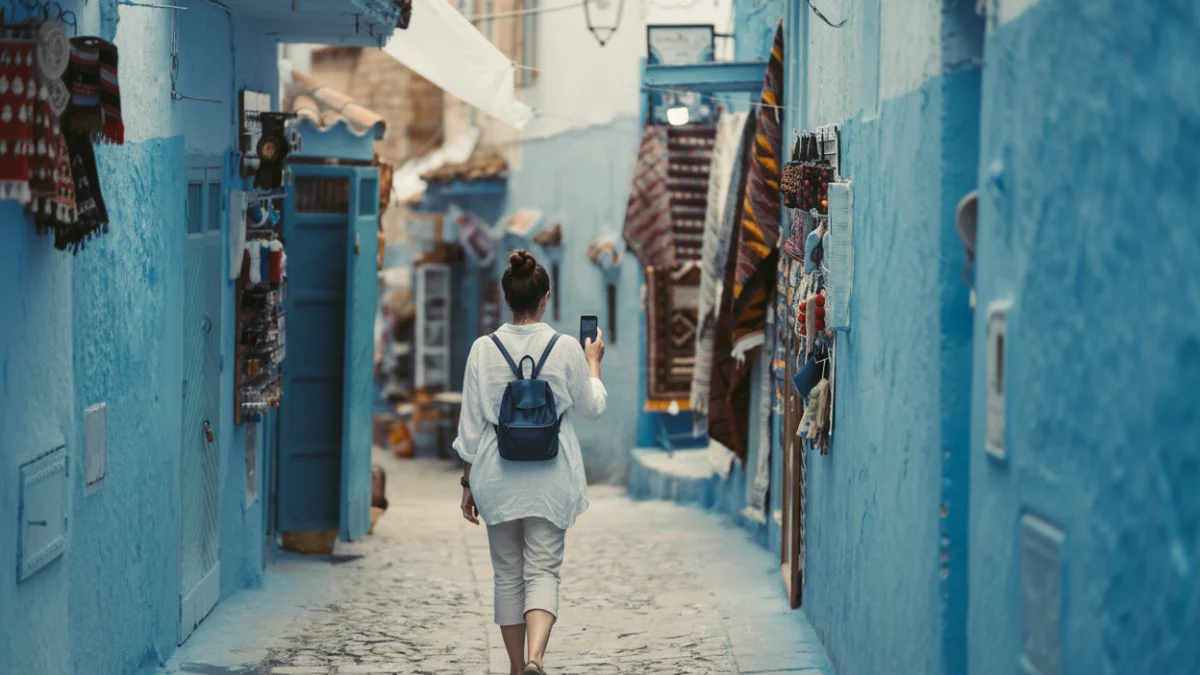
The call to prayer echoed across Marrakech’s medina just as the first light touched the Atlas Mountains in the distance. I stood on a rooftop terrace, mint tea warming my hands, watching the city slowly wake beneath a sky streaked with orange and pink. That moment—the stillness before the chaos—captures everything I love about Morocco. It’s a country that rewards early risers, curious wanderers, and anyone willing to get a little lost.
Planning a trip to Morocco for the first time can feel overwhelming. The souks, the desert, the mountains, the coast—where do you even begin? After spending years exploring this country, returning again and again to discover new corners and revisit old favorites, I’ve learned that Morocco reveals itself slowly. You can’t rush it. But with some practical guidance and realistic expectations, your first trip can be transformative rather than stressful.
When to Visit Morocco
Timing matters more than most travelers realize. I made the mistake of visiting Marrakech in August during my first trip—honestly, I don’t recommend it unless you enjoy feeling like you’re walking through an oven. The medina hit 45°C that week, and even the locals retreated indoors until evening.
The sweet spot falls between March and May or September and November. Spring brings wildflowers to the Atlas Mountains and comfortable temperatures across the country. Autumn offers similar weather with the added bonus of date harvest season in the desert regions. Winter works beautifully for the south and desert areas, though nights get surprisingly cold in the Sahara—I learned to pack thermals the hard way.
If you’re planning a trip to Morocco specifically for coastal towns like Essaouira, summer actually works well. The Atlantic winds keep temperatures reasonable when inland cities are sweltering.
Choosing Your Morocco Itinerary
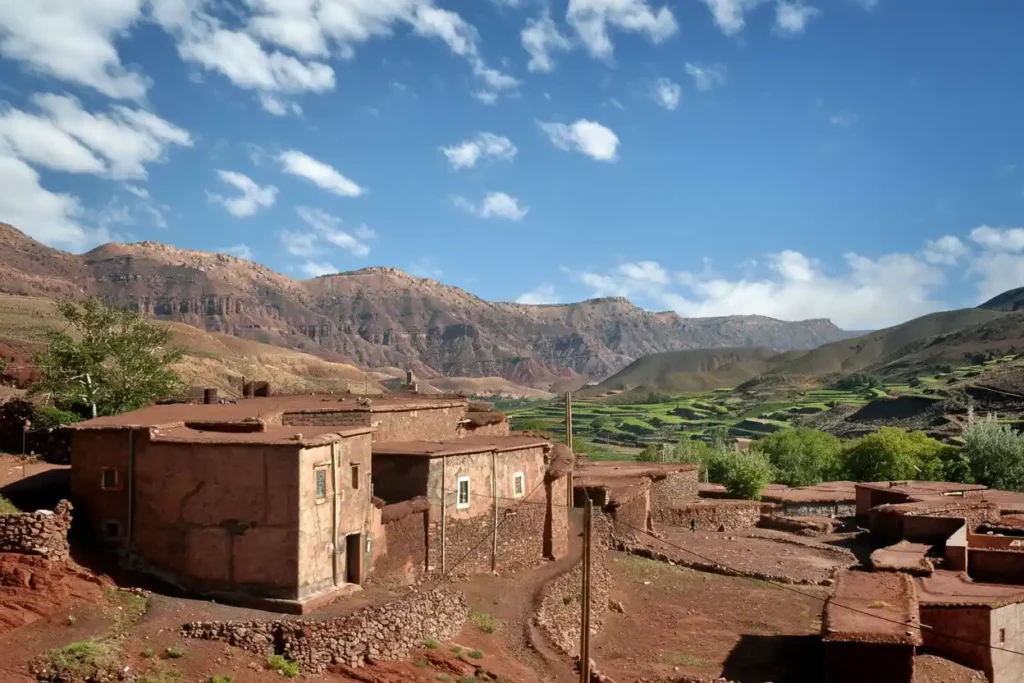
Here’s where first-time visitors often go wrong: trying to see everything. Morocco travel demands patience. The distances look manageable on a map, but mountain roads wind slowly, and you’ll want time to actually experience places rather than just photograph them.
For a classic first Morocco itinerary spanning ten days to two weeks, I suggest focusing on two or three regions rather than racing across the country. The imperial cities circuit—Marrakech, Fes, and perhaps Meknes or Rabat—gives you the quintessential medina experience. Add three or four days in the Sahara Desert, and you’ve got a well-rounded introduction.
If beaches call to you more than desert dunes, swap the Sahara portion for Essaouira or the fishing villages near Tangier. There’s no wrong answer, just different flavors of Morocco.
Navigating Moroccan Cities
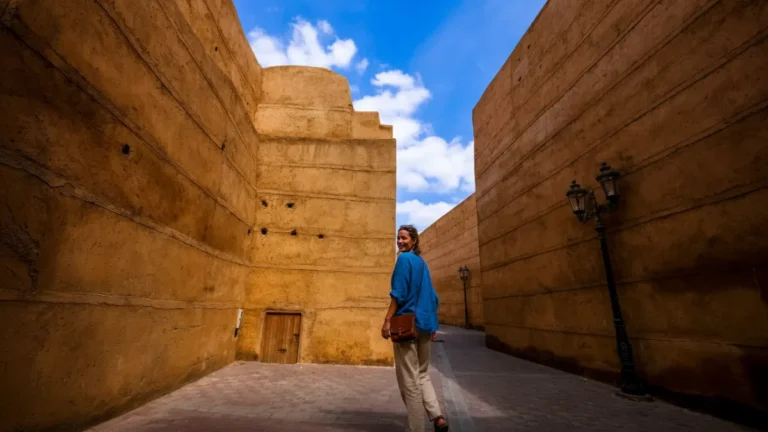
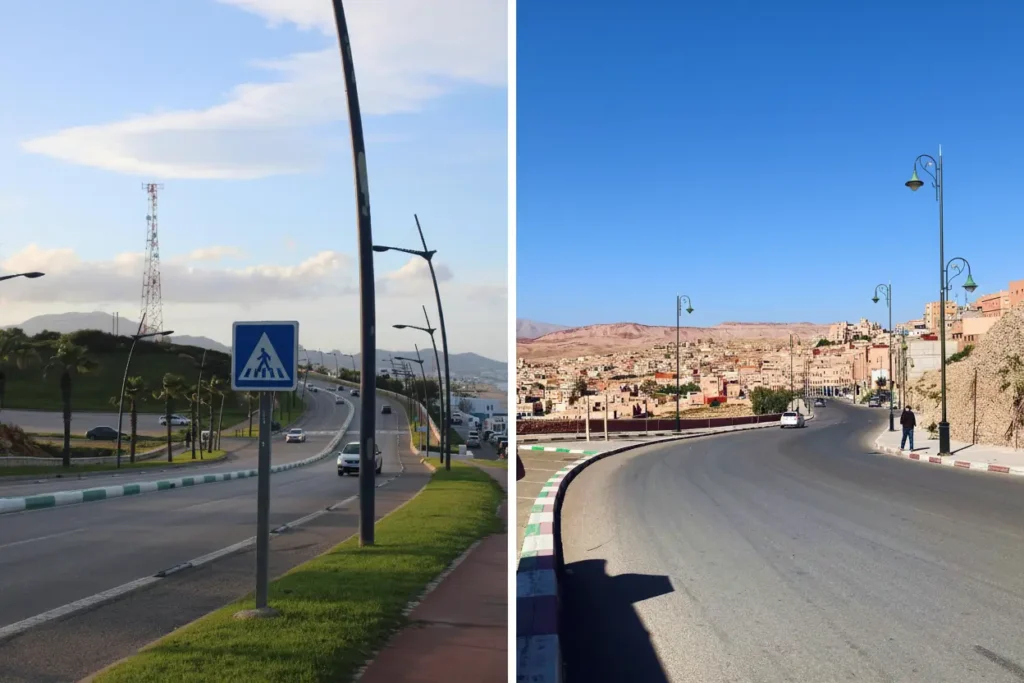
The medinas of Fes and Marrakech will disorient you. Accept this. I’ve been visiting Fes for years and still take wrong turns in the leather tannery district. The key is embracing the confusion rather than fighting it.
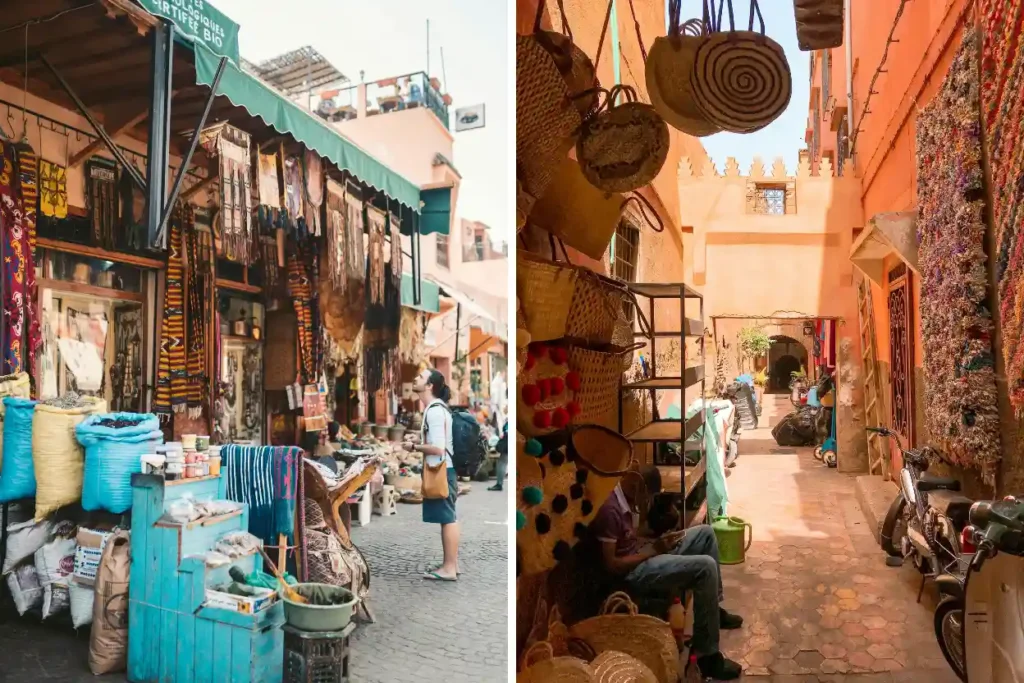
A few practical Morocco travel tips for medina navigation: download offline maps before you arrive, always note a major landmark near your riad, and learn to politely decline offers of guidance from strangers. “La, shukran” (no, thank you) becomes your best friend. That said, genuine kindness exists everywhere—I’ve had shopkeepers abandon their stalls to walk me to my destination simply because I looked lost.
Getting around between cities, you’ve got options. CTM and Supratours buses connect major destinations reliably and cheaply—expect around 100-150 dirhams for Marrakech to Essaouira. Trains run efficiently between Tangier, Rabat, Casablanca, and Marrakech. For the desert and mountain regions, shared grand taxis or private drivers make more sense.
Morocco Accommodation: Riads vs Hotels
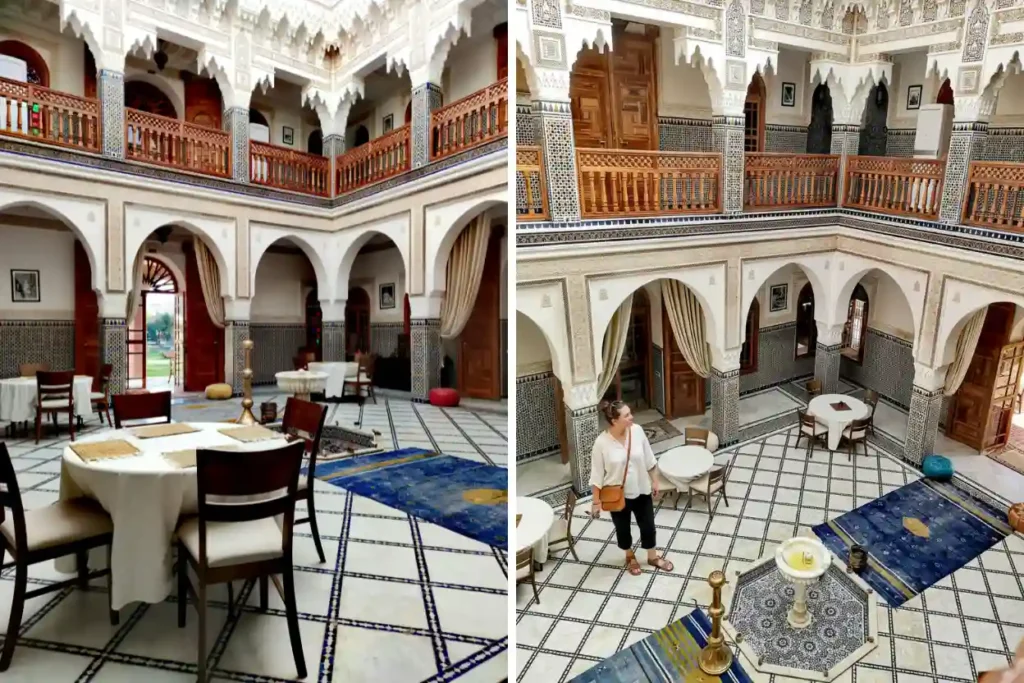
Stay in a riad at least once. These traditional houses built around interior courtyards offer something hotels simply can’t match. Waking up to birdsong in a tiled courtyard, eating breakfast prepared by the family who runs the place, getting insider restaurant recommendations from your host—it’s Morocco distilled.
Budget travelers can find riads starting around 300-400 dirhams per night, though the midrange sweet spot sits around 600-900 dirhams for something special. Book directly when possible; owners often offer better rates than booking platforms.
For first-time visitors to Morocco, I recommend riads in the medina for at least part of your trip, even if the narrow alleys intimidate you initially. Most riads arrange airport transfers, and staff will meet you at a medina gate if needed.
The Sahara Desert Experience
No Morocco itinerary feels complete without desert time. But here’s what guidebooks often skip: the desert camps vary wildly in quality and authenticity.
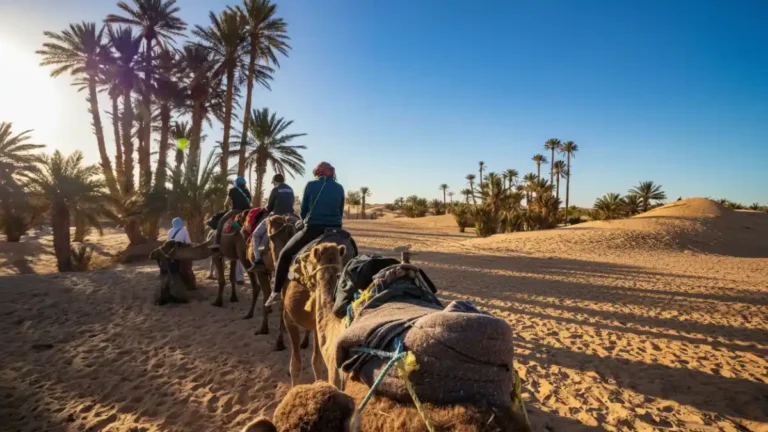
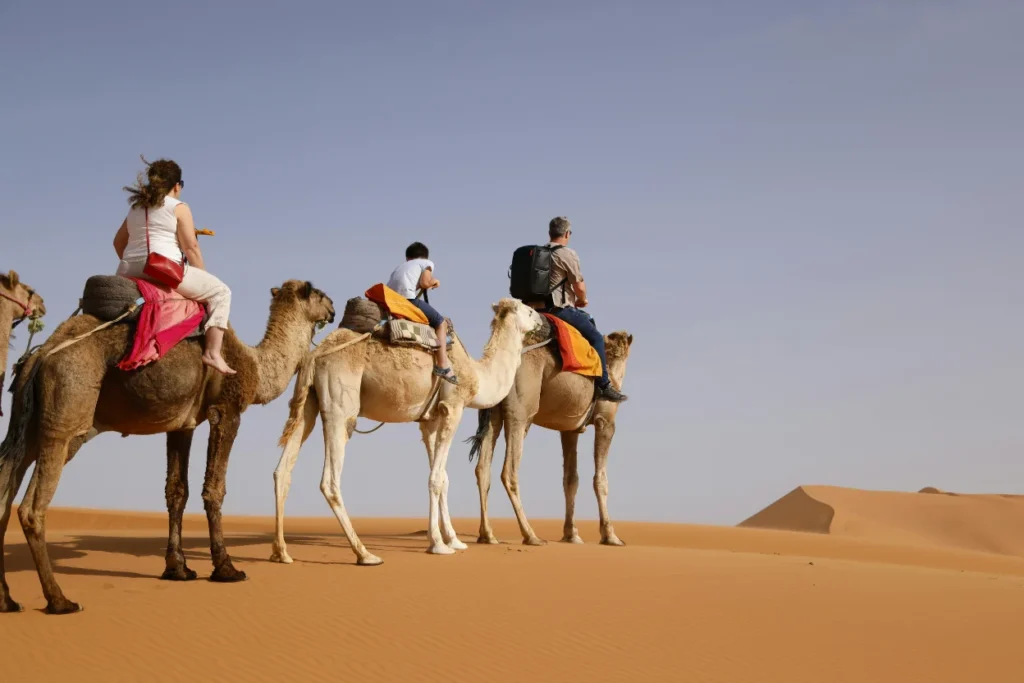
The two main desert destinations are Merzouga and M’Hamid. Merzouga offers easier access and the famous Erg Chebbi dunes—gorgeous orange sand rising dramatically from flat terrain. M’Hamid leads to Erg Chigaga, more remote and less crowded. For first trips to Morocco, Merzouga usually makes logistical sense.
Book a reputable desert tour that includes at least one night in a proper camp, not the crowded budget camps clustered together. You want silence at night, stars so bright they feel close enough to touch, and space to watch the sunrise without fifty other tourists in your frame. Expect to pay 800-1,500 dirhams for a quality overnight experience from Merzouga.
The camel ride to camp takes about ninety minutes. Your backside will complain—wear comfortable pants and embrace the discomfort as part of the adventure.
Practical Money Matters
Morocco runs on dirhams, and while some tourist areas accept euros, you’ll get terrible exchange rates. Withdraw dirhams from ATMs upon arrival; they’re everywhere in airports and cities.
Carry cash in the medinas. Many smaller shops and all market vendors work cash-only. For a two-week trip, budget roughly 500-800 dirhams daily for comfortable midrange Morocco travel covering accommodation, meals, transportation, and entrance fees. You can absolutely spend less—or considerably more.
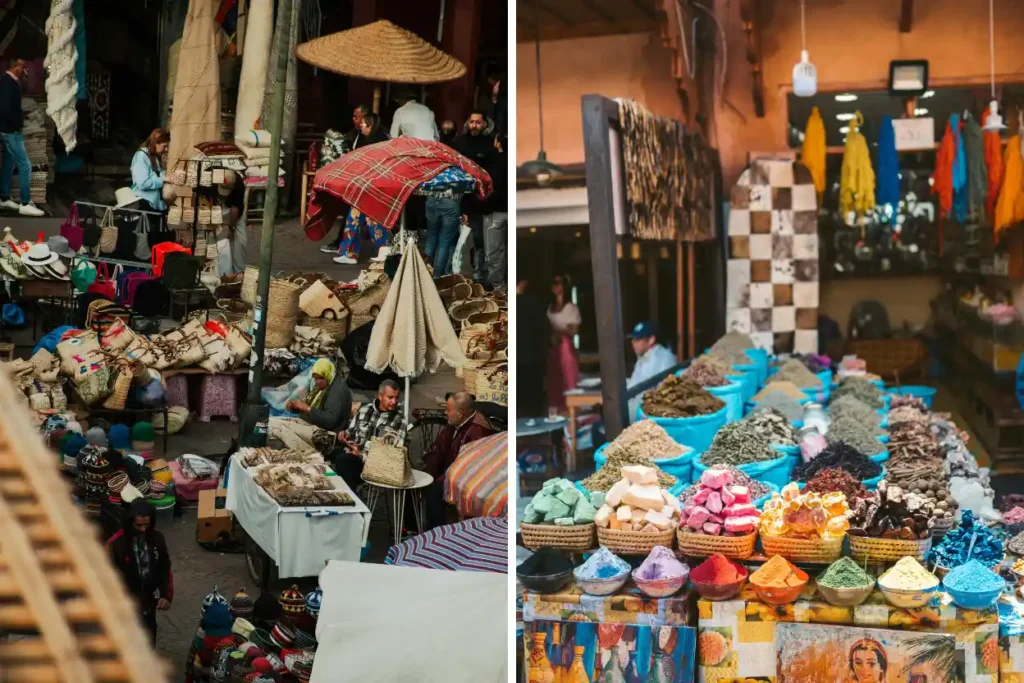
Bargaining is expected in souks, though less so in established shops with fixed prices. Start around 40% of the asking price and work toward a middle ground. Keep it friendly; Moroccan vendors appreciate good-humored negotiation. If a price feels fair to you, don’t agonize over whether you could have saved another 20 dirhams.
Food and Cultural Etiquette
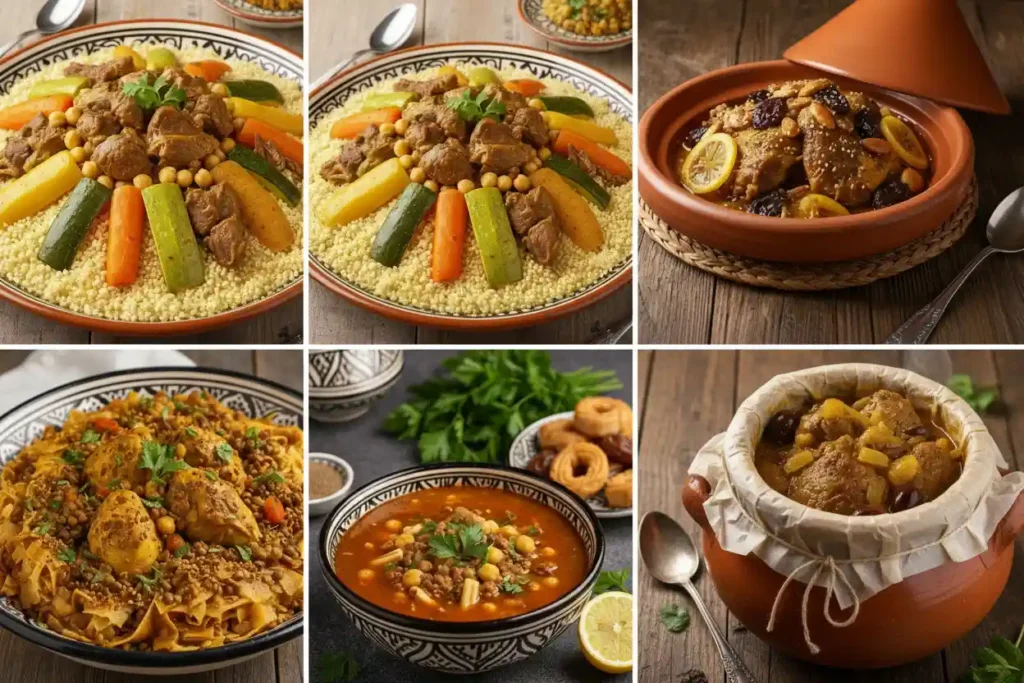
Moroccan cuisine deserves its own trip. Beyond the ubiquitous tagine and couscous, seek out tanjia in Marrakech, bissara soup for breakfast, and fresh seafood grills in Essaouira. Street food is generally safe in busy stalls with high turnover—the vendors take pride in their craft.
A few cultural notes for first-time visitors: dress modestly, particularly women, with covered shoulders and knees in medinas and religious areas. Remove shoes when entering riads and homes. Use your right hand for eating and greeting. Learn basic Arabic phrases—even a simple “salaam” opens doors.
Ramadan transforms the country. If you’re planning a trip to Morocco during this holy month, expect altered schedules but also incredible iftar meals at sunset and a unique spiritual atmosphere.
My Honest Advice
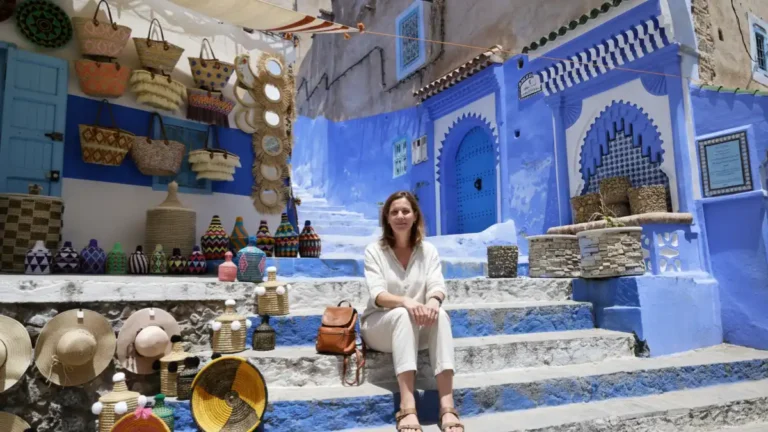
Morocco can be intense. Touts will approach you. Prices will sometimes feel arbitrary. You might get food poisoning despite all precautions—I did, spectacularly, in Chefchaouen. But the country rewards persistence with experiences you’ll carry forever.
Trust your instincts while staying open to unexpected encounters. The best moments often emerge from saying yes to an invitation you didn’t plan for—tea with a carpet seller who shares stories of his grandfather, a detour to a village wedding celebration, a sunrise hike suggested by a fellow traveler at your riad.
Planning a trip to Morocco requires flexibility built into your schedule. Leave buffer days. Don’t book every night’s accommodation in advance. Let the country surprise you, because it absolutely will.
Start planning, book that flight, and know that whatever happens, Morocco will change how you see travel. It certainly changed me.